My brother-in-law, Dave, said that while his hands were already diving into the bowl. He didn’t even look up. He just pointed with a sauce-covered finger at the center of the table and waited. We were sitting in his cramped kitchen, the air thick with the scent of fried garlic and something sweet, something spicy. It was a Tuesday night, the kind that feels like it’s dragging on forever. I had shown up unannounced, hungry and tired, expecting maybe some leftover pasta or a sandwich.
Instead, I got this. Crispy Korean fried chicken bites coated in a glossy, fiery gochujang glaze. The contrast is what got me. You know how most fried chicken gets soggy if you leave it out for ten minutes? This stuff stayed crunchy. I’m talking shatteringly crisp, like glass, but soft on the inside. The sauce clung to every nook and cranny without weighing it down. Dave just shrugged when I asked for the recipe, saying, “It’s just chicken and some paste from the Asian market.”
That was it. No drama, no fancy plating. Just pure, addictive comfort food. I spent the next week trying to replicate it. I tried cornstarch, I tried flour, I tried double-frying. Nothing worked until I hit on that specific ratio of cornstarch to potato starch. The texture was different. Lighter. Airier. And the glaze? That was the real trick. It wasn’t just sweet; it had that deep, fermented heat from the gochujang. It’s the kind of recipe that makes you close your eyes after the first bite. It’s not just dinner; it’s a moment of peace in a chaotic world.
I’ve made this probably fifty times since that night. Sometimes I add extra honey, sometimes I keep it fiery hot. But the core technique never changes. It’s become my go-to when I need to impress guests or just treat myself. You’ll love how simple it is to make, yet how restaurant-quality it tastes. Let’s get into why this specific version of Crispy Korean Fried Chicken Bites with Gochujang Glaze is worth your time.
Why You’ll Love This Recipe
There are a lot of fried chicken recipes out there. Honestly, there are too many. But this one stands out because it solves the biggest problem with homemade fried chicken: the coating. Most home cooks struggle with getting that ultra-thin, crispy crust that doesn’t fall off. I’ve tested dozens of batters, and this double-dust method with cornstarch and potato starch is the winner. It’s not just about crunch; it’s about that delicate lace-like texture that shatters when you bite into it.
- Quick & Easy: While frying might seem time-consuming, the actual prep is fast. The chicken bites are small, so they cook in under 10 minutes. This is perfect for busy weeknights when you want something better than takeout but don’t have hours to spend.
- Simple Ingredients: You don’t need a specialty store for everything. Gochujang is the star, but most Asian markets or even larger supermarkets carry it now. The rest is pantry staples like soy sauce, garlic, and ginger.
- Perfect for Entertaining: These are finger food, which means no one needs to sit at a table with a knife and fork. They are ideal for game days, parties, or cozy dinners where you want to graze and chat.
- Crowd-Pleaser: Kids usually love the sweetness, and adults appreciate the complexity of the fermented chili paste. It bridges the gap between mild and spicy in a way that’s approachable.
- Unbelievably Delicious: The combination of savory, sweet, spicy, and sour is balanced perfectly. The glaze isn’t just a coating; it’s a flavor bomb that complements the savory chicken without overpowering it.
What makes this recipe different from the rest is the attention to the glaze’s consistency. Many recipes make it too runny, which makes the chicken soggy. Mine is reduced to a sticky syrup that adheres perfectly. It’s the kind of recipe that makes you want to lick your fingers clean. It’s comfort food reimagined—healthier because the bites are smaller and less heavy than a whole leg, but with the same soul-soothing satisfaction.
What Ingredients You Will Need
This recipe relies on a few key components to achieve that signature crunch and sticky glaze. The ingredients are straightforward, but the quality matters, especially for the gochujang. Here is what you’ll need to gather before you start cooking.
For the Chicken
- Chicken Thighs: Boneless, skinless. Thighs are juicier and more forgiving than breasts. Cut them into 1-inch bites for even cooking.
- Cornstarch: This is non-negotiable for the crispiness. It creates a light, airy crust. I recommend using a reputable brand like Argo for consistent results.
- Potato Starch: This adds an extra layer of crunch and helps the coating stay crispy longer. If you can’t find it, extra cornstarch works, but potato starch is better.
- Salt and Black Pepper: Basic seasoning for the chicken itself.
- Vegetable Oil: For frying. You need an oil with a high smoke point. Canola or peanut oil works well.
For the Gochujang Glaze
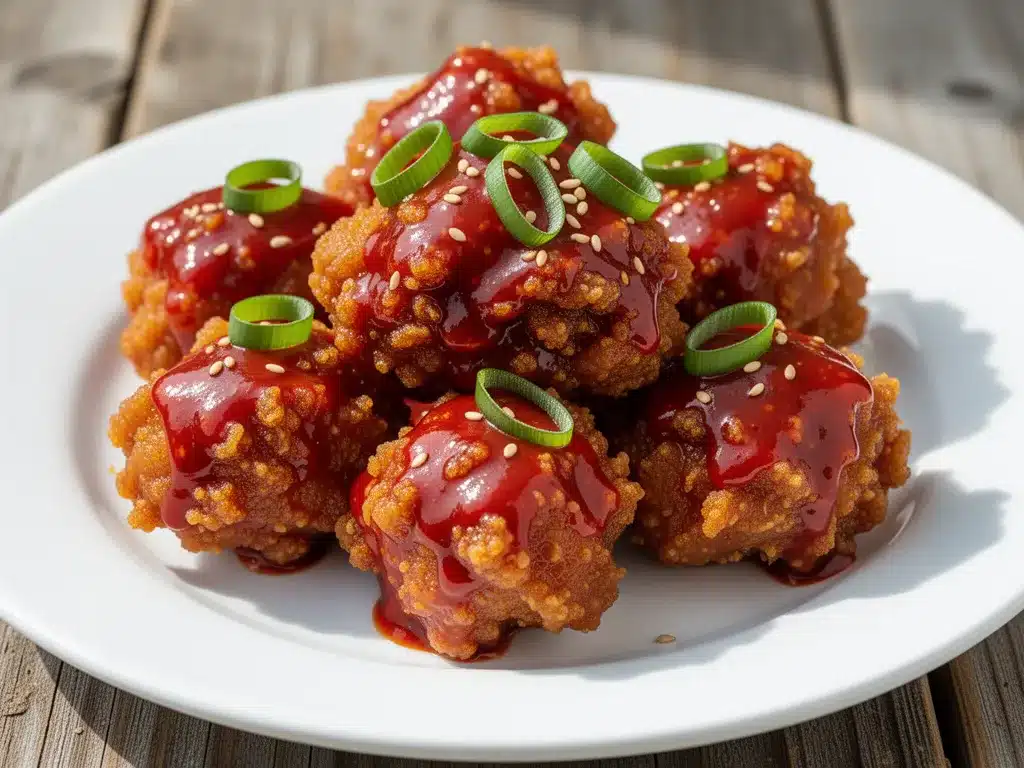
- Gochujang Paste: This is fermented red chili paste. It’s spicy, sweet, and umami-rich. Look for a jar with a thick consistency. Sempio or CJ brands are reliable.
- Soy Sauce: Adds saltiness and depth. Use low-sodium if you want to control the salt level.
- Honey: Balances the heat of the gochujang. Local honey adds a nice floral note.
- Rice Vinegar: Adds acidity to cut through the richness of the fried chicken. Do not substitute with white vinegar; the flavor is too sharp.
- Garlic: Freshly minced. Jarred garlic can taste metallic and alter the flavor profile.
- Fresh Ginger: Grated. It adds a zesty kick that brightens the heavy sauce.
- Sesame Oil: A few drops at the end for aroma. Don’t cook this in the sauce; add it off the heat.
- Water: To thin the sauce to the right consistency.
If you are sensitive to spice, you can reduce the gochujang by half and add more honey. For a gluten-free option, ensure your gochujang and soy sauce are certified gluten-free, as some traditional brands use wheat.
Equipment Needed
You don’t need a lot of fancy gadgets to make this, but having the right tools makes a huge difference. A heavy-bottomed Dutch oven or a deep cast-iron skillet is ideal for frying. It holds heat steadily, which prevents the oil temperature from dropping too much when you add the chicken. If you don’t have one, a heavy saucepan works too.
A wire cooling rack set over a baking sheet is essential. You need to drain the fried chicken on a rack, not on paper towels. Paper towels trap steam and make the bottom of the chicken soggy. The rack allows air to circulate, keeping the crust crisp.
A small saucepan for the glaze is all you need there. A whisk helps combine the ingredients smoothly. Finally, a thermometer is helpful but not strictly necessary. If you don’t have one, drop a pinch of cornstarch into the oil; if it sizzles and floats to the top immediately, the oil is ready.
Preparation Method
Let’s walk through the process step-by-step. It’s simpler than it looks, but precision matters.
- Prep the Chicken: Pat the chicken bites completely dry with paper towels. Moisture is the enemy of crispiness. Season them lightly with salt and pepper. In a large bowl, toss the chicken with 2 tablespoons of cornstarch and 2 tablespoons of potato starch. This initial dusting helps the coating stick later. Set aside.
- Heat the Oil: Pour about 2 inches of vegetable oil into your Dutch oven. Heat it over medium-high heat to 350°F (175°C). This takes about 10-15 minutes. Don’t rush this step. If the oil is too cool, the chicken will absorb oil and become greasy.
- Dredge the Chicken: In a separate shallow dish, mix the remaining cornstarch and potato starch. Dredge each chicken bite in the starch mixture, shaking off any excess. You want a light, even coat. Press the starch gently into the chicken so it adheres.
- Fry the Chicken: Carefully place the chicken bites into the hot oil in batches. Do not overcrowd the pan. Fry for about 4-5 minutes, turning occasionally, until golden brown and cooked through. The internal temperature should reach 165°F (74°C). Remove with a slotted spoon and place on the wire rack. Repeat with remaining batches.
- Make the Glaze: While the chicken is frying, combine the gochujang, soy sauce, honey, rice vinegar, minced garlic, and grated ginger in a small saucepan. Add 2 tablespoons of water. Heat over medium-low heat, stirring constantly. Let it simmer for 3-4 minutes until it thickens slightly and becomes glossy. Remove from heat and stir in the sesame oil.
- Combine: Toss the fried chicken bites in the glaze. You can do this in a large bowl, tossing gently to coat every piece without breaking the crust. Alternatively, you can drizzle the glaze over the chicken on the baking sheet and toss.
- Serve: Garnish with sliced green onions and toasted sesame seeds. Serve immediately while the chicken is still hot and crispy.
Cooking Tips & Techniques
Here are some secrets I’ve learned along the way to ensure success.
Double-Frying for Extra Crunch: If you want maximum crispiness, fry the chicken once at 325°F for 3 minutes to cook the inside. Remove and let rest for 5 minutes. Then, increase the oil to 375°F and fry again for 1-2 minutes until golden. This removes excess moisture from the crust.
Don’t Skip the Drying: I cannot stress this enough. Wet chicken = soggy coating. Make sure your chicken is bone-dry before seasoning.
Glaze Consistency: The glaze should coat the back of a spoon. If it’s too thick, add a teaspoon of water. If it’s too thin, simmer it a bit longer. It needs to be sticky enough to cling to the chicken but fluid enough to coat evenly.
Oil Temperature: Keep an eye on the oil. If it starts smoking, it’s too hot. Lower the heat. If the chicken browns too quickly but isn’t cooked inside, lower the heat and fry longer.
Variations & Adaptations
This recipe is versatile. Here are a few ways to tweak it.
- Mild Version: Reduce the gochujang to 1 tablespoon and add an extra tablespoon of honey. Add a splash of apple cider vinegar for tang.
- Spicy Kick: Add a teaspoon of chili flakes or a dash of sriracha to the glaze for extra heat.
- Vegan Option: Use cauliflower florets instead of chicken. Toss them in the same starch mixture and fry until tender and crispy. The glaze works perfectly on cauliflower.
- Glaze Variations: Try a soy-ginger glaze by omitting the gochujang and adding more ginger and rice vinegar. Or a sweet chili glaze using store-bought sweet chili sauce mixed with a little gochujang for depth.
Serving & Storage Suggestions
Serve these bites warm, straight from the pan. They pair well with steamed jasmine rice or a simple cucumber salad to cut the richness. Leftovers can be stored in an airtight container in the refrigerator for up to 3 days. To reheat, use an air fryer at 375°F for 3-4 minutes to restore crispiness. Avoid the microwave, as it will make the coating soft. The flavors meld nicely overnight, making them even more delicious the next day.
Nutritional Information & Benefits
Each serving (approx. 6 bites) contains around 250 calories. The chicken provides protein, while the gochujang offers antioxidants from fermented chili peppers. The recipe is naturally gluten-free if you use gluten-free soy sauce and gochujang. It is also dairy-free. Keep in mind that frying adds calories, so portion control is key. The benefits of using thigh meat over breast meat include higher iron content and a richer flavor profile.
Conclusion
This Crispy Korean Fried Chicken Bites with Gochujang Glaze is more than just a meal; it’s an experience. The crunch, the heat, the sweetness—it all comes together in perfect harmony. I hope you try this recipe and make it your own. Feel free to adjust the spice level or add your favorite garnishes. I’d love to hear how it turns out for you. Leave a comment below with your thoughts or share a photo of your creation. Happy cooking!
FAQs
Can I bake the chicken instead of frying?
Yes, you can bake the breaded chicken at 400°F (200°C) for 20-25 minutes, flipping halfway. However, it won’t be as crispy as fried chicken. For better results, use a wire rack in the oven and spray the chicken with oil.
What is gochujang?
Gochujang is a Korean fermented chili paste. It has a deep, savory, spicy, and slightly sweet flavor. It is a staple in Korean cuisine and can be found in most Asian grocery stores.
How spicy is this recipe?
It is moderately spicy. The gochujang adds heat, but the honey and garlic balance it out. You can adjust the spice level by changing the amount of gochujang used.
Can I make the glaze ahead of time?
Yes, you can make the glaze up to a week in advance. Store it in an airtight container in the refrigerator. Reheat it gently before tossing with the chicken.
What cuts of chicken work best?
Chicken thighs are best because they stay juicy and flavorful. Chicken breasts can be used, but they may dry out if overcooked. Cut them into similar-sized bites for even cooking.
Pin This Recipe!
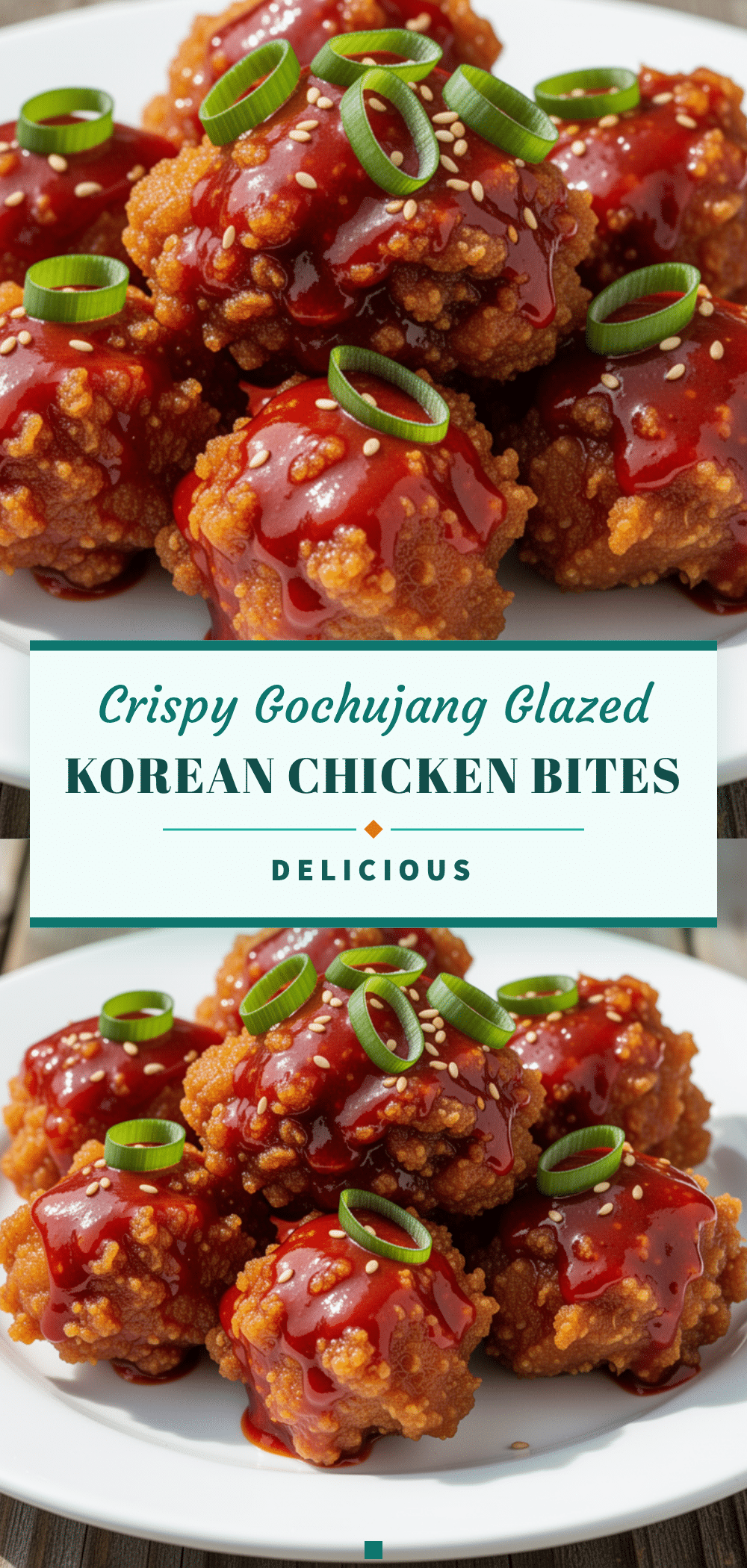
Crispy Korean Fried Chicken Bites: Easy Gochujang Glaze Recipe

Crispy Korean fried chicken bites coated in a glossy, fiery gochujang glaze. This recipe uses a double-dust method with cornstarch and potato starch for an ultra-thin, shatteringly crisp crust that stays crunchy.
- Prep Time: 15 minutes
- Cook Time: 15 minutes
- Total Time: 30 minutes
- Yield: 4 servings 1x
- Category: Main Course
- Cuisine: Korean
Ingredients
- 1 lb boneless, skinless chicken thighs, cut into 1-inch bites
- 4 tablespoons cornstarch (divided)
- 4 tablespoons potato starch (divided)
- Salt and black pepper, to taste
- Vegetable oil, for frying (about 2 inches deep)
- 2 tablespoons gochujang paste
- 1 tablespoon soy sauce (low-sodium or gluten-free)
- 1 tablespoon honey
- 1 tablespoon rice vinegar
- 2 cloves garlic, freshly minced
- 1 teaspoon fresh ginger, grated
- 1 teaspoon sesame oil
- 2 tablespoons water
- Sliced green onions and toasted sesame seeds, for garnish
Instructions
- Pat chicken bites completely dry with paper towels. Season lightly with salt and pepper.
- In a large bowl, toss chicken with 2 tablespoons cornstarch and 2 tablespoons potato starch. Set aside.
- Heat vegetable oil in a Dutch oven or deep skillet to 350°F (175°C).
- In a shallow dish, mix remaining cornstarch and potato starch. Dredge chicken bites in the starch mixture, shaking off excess and pressing gently to adhere.
- Fry chicken in batches for 4-5 minutes until golden brown and cooked through (internal temp 165°F). Place on a wire rack to drain.
- While frying, combine gochujang, soy sauce, honey, rice vinegar, garlic, ginger, and water in a small saucepan. Simmer over medium-low heat for 3-4 minutes until thickened.
- Remove glaze from heat and stir in sesame oil.
- Toss fried chicken bites in the glaze until evenly coated.
- Garnish with green onions and sesame seeds. Serve immediately.
Notes
For extra crunch, double-fry the chicken: fry once at 325°F for 3 minutes, rest for 5 minutes, then fry again at 375°F for 1-2 minutes. Ensure chicken is bone-dry before coating to prevent soggy crust. If sensitive to spice, reduce gochujang and increase honey.
Nutrition
- Serving Size: Approximately 6 bite
- Calories: 250
- Sugar: 8
- Sodium: 450
- Fat: 12
- Saturated Fat: 2
- Carbohydrates: 20
- Fiber: 1
- Protein: 15
Keywords: Korean fried chicken, gochujang glaze, crispy chicken bites, easy dinner, spicy chicken, Asian recipe, gluten-free option