Second time in a week and the bread is still soggy in the middle, which is honestly kind of a disaster for a breakfast that’s supposed to be crispy on the outside and custardy within. I don’t know why I keep trying to rush this thing. I told myself I’d just let it sit in the fridge overnight, but apparently, my brain forgot that physics still applies even when you’re tired. The first batch I pulled out was more of a dense, eggy brick than a fluffy casserole, and I ate it with a fork and a spoon just to get through it. It tasted good, sure, but the texture was off. So, I tried again yesterday, adjusting the ratios of milk to egg, thinking I had it figured out. But then I realized the issue wasn’t the liquid; it was the bread choice. I used a slightly stale loaf of white bread again, and let’s face it, that stuff absorbs liquid like a sponge in a hurricane. By the second time, I was already dreading the oven timer, wondering if I’d ever get that perfect golden-brown crust without the inside turning into pudding. It’s funny how a simple breakfast dish can become this complicated puzzle, especially when you’re trying to make it work for lazy weekend mornings. You want to wake up to the smell of cinnamon and butter, not stress over whether your casserole is cooked through. I stood there staring at the dish, waiting for the oven to finish, feeling a mix of frustration and stubborn determination. Why is it so hard to get this right? Is it the brand of bread? The age of the eggs? The height of the dish? I started questioning my own sanity, wondering if I should just buy the frozen waffles instead. But then, the smell hit me. That rich, warm scent of vanilla and toasted sugar drifted out of the oven, wrapping around the kitchen like a heavy blanket. It stopped me in my tracks. I realized I wasn’t just making food; I was chasing that specific feeling of comfort, the kind that makes you want to stay in bed a little longer. The obsession wasn’t about the recipe being perfect; it was about the ritual of getting it right, of tweaking it until it felt like home. I took a bite of the second batch, still a bit too soft in the center, but the flavor was undeniable. It tasted like Saturday mornings from ten years ago, before life got so busy. That’s what kept pulling me back. Not the technique, but the memory. The quiet promise that if I just got the balance right, I could freeze time for an hour. It’s a small thing, really, just bread and eggs and milk, but it carries this weight of expectation. I kept making it because it was the one thing I could control, the one routine that stayed the same no matter how chaotic the week was. And now, finally, it’s ready. Not perfect, but close enough to feel like a victory.
Why You’ll Love This Cozy Overnight French Toast Casserole
This isn’t just another breakfast dish you’ll find buried in a stack of Pinterest boards. It’s the result of years of trial and error, refined until it hits that sweet spot between comfort and ease. I’ve tested this recipe with different types of bread, various milks, and even some questionable substitutions, and this version is the one that consistently delivers. Here is why this recipe has earned a permanent spot in my weekly rotation:
- Quick & Easy Prep: The magic happens the night before. You spend maybe ten minutes assembling it, and then you sleep while it soaks. In the morning, you just pop it in the oven. It’s perfect for busy weeknights or lazy Sunday mornings when you want to spend more time with your family and less time in the kitchen.
- Simple Ingredients: You likely already have everything you need in your kitchen right now. No fancy grocery trips or obscure ingredients. Just bread, eggs, milk, sugar, and spices. It’s pantry-friendly comfort food at its finest.
- Perfect for Crowds: Whether you’re hosting a holiday brunch, a potluck, or just feeding a hungry family, this casserole scales up beautifully. It’s always a crowd-pleaser, getting rave reviews from kids who usually pick at their food and adults who need that extra caffeine boost.
- Unbelievably Delicious: The texture is next-level. You get this contrast where the edges are slightly crisp and caramelized, while the center remains soft, custardy, and rich. It’s comfort food reimagined—soul-soothing without being heavy.
- Consistent Results: Unlike flipping individual slices of French toast, which can burn easily, this oven-baked method ensures even cooking. The overnight soak guarantees that every bite is infused with flavor, eliminating any dry spots.
What makes this different from the rest? It’s the balance. Many recipes go too sweet or too eggy. This one uses a specific ratio that keeps it light but flavorful. It’s the kind of dish that makes you close your eyes after the first bite, forgetting about the dishes waiting in the sink. It’s practical, yes, but it also has a soul. It turns a simple meal into something memorable, something you look forward to all week.
What Ingredients You Will Need
This recipe relies on simple, wholesome ingredients to deliver bold flavor and satisfying texture without the fuss. The key is quality over quantity. Since there are only five main components, each one plays a critical role in the final result. Here is what you need to gather:
- Stale Bread: You’ll need about 10-12 cups of cubed bread. Day-old bread is crucial because it’s drier and can absorb the custard without falling apart. I recommend using a rustic sourdough or a hearty brioche. Sourdough adds a nice tang that cuts through the sweetness, while brioche makes it richer. Avoid soft, pre-sliced sandwich bread unless it’s a few days old.
- Eggs: Six large eggs are the binder. They provide the structure and the richness. Make sure they are at room temperature for even mixing, though cold eggs work in a pinch.
- Heavy Cream and Milk: I use a mix of both. Half a cup of heavy cream adds luxury and richness, while one cup of whole milk keeps it from being too heavy. You can substitute with half-and-half if that’s all you have, but avoid skim milk as it lacks the necessary fat for that creamy texture.
- Sugar: Half a cup of granulated white sugar is standard, but I often swap half of it for brown sugar for a deeper, caramel-like flavor. Brown sugar adds moisture and a hint of molasses, which pairs beautifully with cinnamon.
- Vanilla Extract and Cinnamon: Two teaspoons of pure vanilla extract and one teaspoon of ground cinnamon are non-negotiable. They provide the aromatic backbone. Don’t skimp on the vanilla; cheap extract tastes artificial. If you’re feeling fancy, a pinch of nutmeg or cardamom adds a warm, spiced complexity.
- Butter: Four tablespoons of unsalted butter, melted, is drizzled on top before baking. This helps create that golden, crispy crust. I prefer European-style butter for its higher fat content and richer flavor.
If you need substitutions, almond milk works for the dairy, and gluten-free bread works for the bread base. Just note that gluten-free bread can get mushy faster, so keep an eye on the soak time. For a dairy-free version, use coconut milk and vegan butter.
Equipment Needed
You don’t need much to pull this off, which is part of the appeal. A 9×13 inch baking dish is standard, but a 2-quart casserole dish works too. Make sure it’s deep enough so the custard doesn’t spill over. A large whisk is essential for combining the egg mixture smoothly. I also recommend a sharp knife and a cutting board for cubing the bread. If you don’t have a baking dish, you can use a large roasting pan, but the cooking time might vary slightly. A simple silicone spatula helps scrape the bowl clean. Keep your equipment simple and clean; there’s no need for fancy gadgets here. A basic thermometer can help ensure the eggs are cooked safely, aiming for an internal temperature of 160°F.
Preparation Method
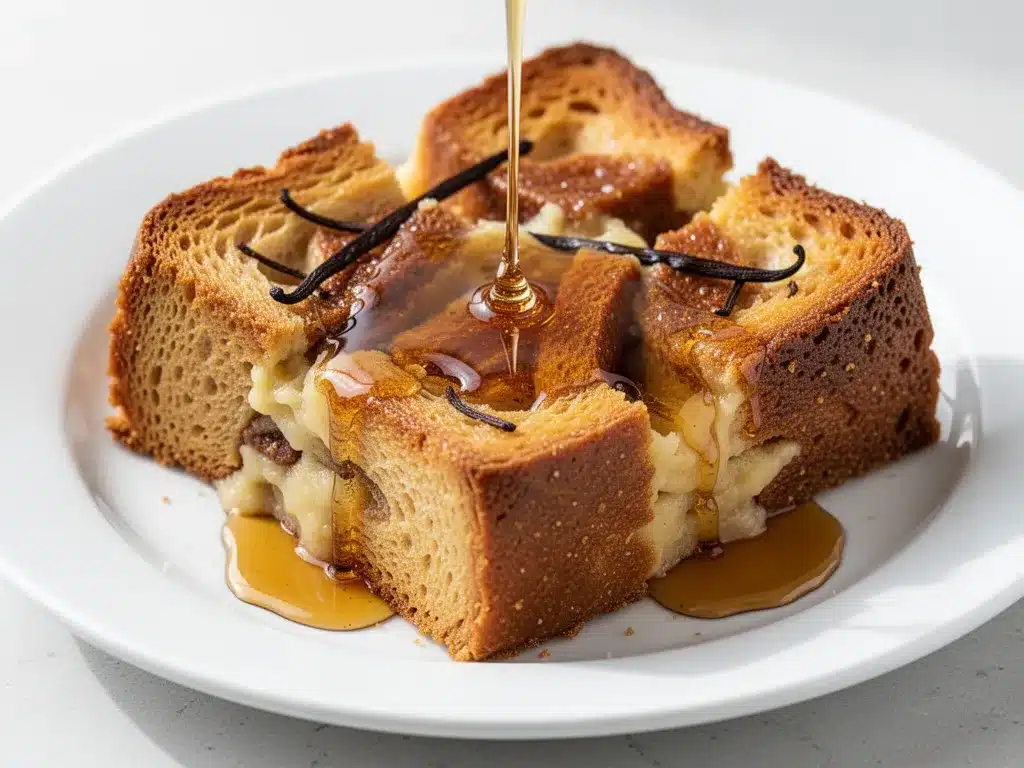
Getting this right is about patience and attention to detail. Here is how to do it step by step.
- Prep the Bread: Start by cubing your bread. Aim for one-inch cubes. If your bread is fresh, spread it out on a baking sheet and let it air dry for an hour or two. This removes excess moisture. Place the cubes into your 9×13 inch baking dish. Arrange them in a single layer if possible, but it’s okay if they overlap slightly. You want to fill the dish, but not pack it down tight.
- Make the Custard: In a large bowl, whisk together the eggs, heavy cream, milk, sugar, vanilla extract, and cinnamon. Whisk vigorously until the sugar is completely dissolved and the mixture is uniform. This step takes about two minutes. Don’t rush it; lumps of sugar or unmixed vanilla will affect the flavor.
- Pour and Soak: Slowly pour the custard mixture over the bread cubes. Use a spoon to gently press down on the bread, ensuring every piece is submerged. This is critical. If some pieces float, they won’t cook evenly. Cover the dish tightly with plastic wrap. Place it in the refrigerator overnight, or for at least 4 hours. This soaking time allows the bread to absorb the liquid fully, transforming into a custard-like texture.
- Preheat and Bake: When you’re ready to bake, preheat your oven to 350°F (175°C). Remove the dish from the fridge and let it sit on the counter for 20 minutes while the oven heats up. This takes the chill off the dish, promoting even cooking. Drizzle the melted butter evenly over the top. This will help the top brown and crisp up.
- Bake: Place the dish in the center of the oven. Bake for 45-55 minutes. You’ll know it’s done when the top is golden brown and puffed, and a knife inserted into the center comes out clean. The center should be set, not jiggly. If the top is browning too quickly, cover it loosely with aluminum foil for the last 10 minutes.
- Cool and Serve: Let the casserole rest for 10 minutes before serving. This allows the custard to set further, making it easier to slice. Dust with powdered sugar or serve with maple syrup if you like.
Cooking Tips & Techniques
I’ve learned a few things the hard way, so you don’t have to. First, bread choice matters. Stale bread is best, but if you’re in a hurry, you can toast fresh bread in the oven at 300°F for 10 minutes to dry it out. Second, don’t skip the rest time. Cutting into it straight out of the oven can result in a messy, runny center. The rest period lets the structure firm up. Also, keep an eye on your oven temperature. Every oven runs differently. If your casserole is burning on top but raw in the middle, lower the temperature by 25°F and cover with foil. Multitasking is easy here since the active time is minimal. You can prep this while getting kids ready for school or while you’re making coffee. The key is consistency. Whisk the eggs well to avoid yellow streaks in the final product. And finally, don’t be afraid to adjust the sweetness. Taste your custard before pouring it over the bread. If it’s too sweet, reduce the sugar slightly. If it’s bland, add a pinch more cinnamon.
Variations & Adaptations
This recipe is a canvas for your creativity. Here are a few ways to change it up:
- Fruit-Loaded: Add a cup of fresh or frozen berries (blueberries, raspberries, or strawberries) to the bread layer before pouring the custard. The juices mingle with the custard, creating a fruity swirl.
- Chocolate Chip: Sprinkle half a cup of chocolate chips over the bread. It turns into a dessert-like breakfast that kids love.
- Maple Pecan: Add half a cup of chopped pecans and swap the sugar for pure maple syrup. It adds a nice crunch and earthy flavor.
- Gluten-Free: Use gluten-free bread, but note that it absorbs liquid faster. Reduce the soak time to 2 hours to prevent sogginess.
- Vegan: Use flax eggs (1 tbsp ground flaxseed mixed with 3 tbsp water per egg) and coconut milk. The texture will be slightly different but still delicious.
I once tried adding chopped apples and cinnamon, which was a hit, but the apples released water, so I had to bake it longer. Experimenting is part of the fun, just keep an eye on the cooking time.
Serving & Storage Suggestions
Serve this warm, straight from the oven. It pairs well with fresh fruit, bacon, or sausage. A dollop of whipped cream or a drizzle of maple syrup adds a nice touch. For storage, let it cool completely, then cover with plastic wrap or transfer to an airtight container. It keeps in the refrigerator for up to 3 days. To reheat, microwave individual portions for 1-2 minutes or bake the whole dish at 300°F for 15 minutes. The flavors actually develop overnight, making it even better the next day. It freezes well too. Wrap individual slices in foil and freeze for up to 2 months. Just thaw and reheat. It’s a great meal prep option for busy mornings.
Nutritional Information & Benefits
Each serving (approx. 1/8 of the dish) contains about 350 calories. It’s a good source of protein from the eggs and calcium from the milk. The bread provides carbohydrates for energy. While it’s a treat, it’s balanced with protein and fat to keep you satisfied. It’s naturally gluten-free if you use gluten-free bread. It’s not low-carb, but it’s a wholesome breakfast option. I like that it uses whole eggs, which contain choline, good for brain health. It’s a comforting way to start the day, providing sustained energy without the crash of sugary cereals.
Conclusion
This Cozy Overnight French Toast Casserole is more than just breakfast; it’s a hug in a dish. It’s easy, forgiving, and deeply satisfying. I love it because it brings me back to simpler times, to lazy mornings where the only plan was to enjoy the moment. I encourage you to try it, tweak it, and make it your own. Add your favorite fruits, change the spices, or just enjoy it as is. It’s a recipe that rewards patience and promises comfort. Please share your results in the comments below. I’d love to hear what variations you tried. If you make it, tag me on social media so I can see your creations. Thanks for reading, and happy cooking!
FAQs
Can I make this the night before?
Yes, that’s the best part! Assemble it, cover it, and refrigerate overnight. This allows the bread to fully absorb the custard, ensuring a creamy texture.
What kind of bread is best?
Stale brioche, challah, or sourdough work best. They are sturdy enough to hold the custard without becoming mushy. Avoid soft white bread unless it’s day-old.
Can I freeze the casserole?
Yes, you can freeze the unbaked casserole. Wrap it tightly in plastic and foil, then freeze. Thaw in the fridge overnight before baking. You can also freeze baked slices.
How do I know when it’s done?
The top should be golden brown, and a knife inserted into the center should come out clean. The center should be set, not jiggly.
Can I use almond milk?
Yes, almond milk works as a substitute for dairy milk. The texture might be slightly less rich, but it will still be delicious.
Pin This Recipe!
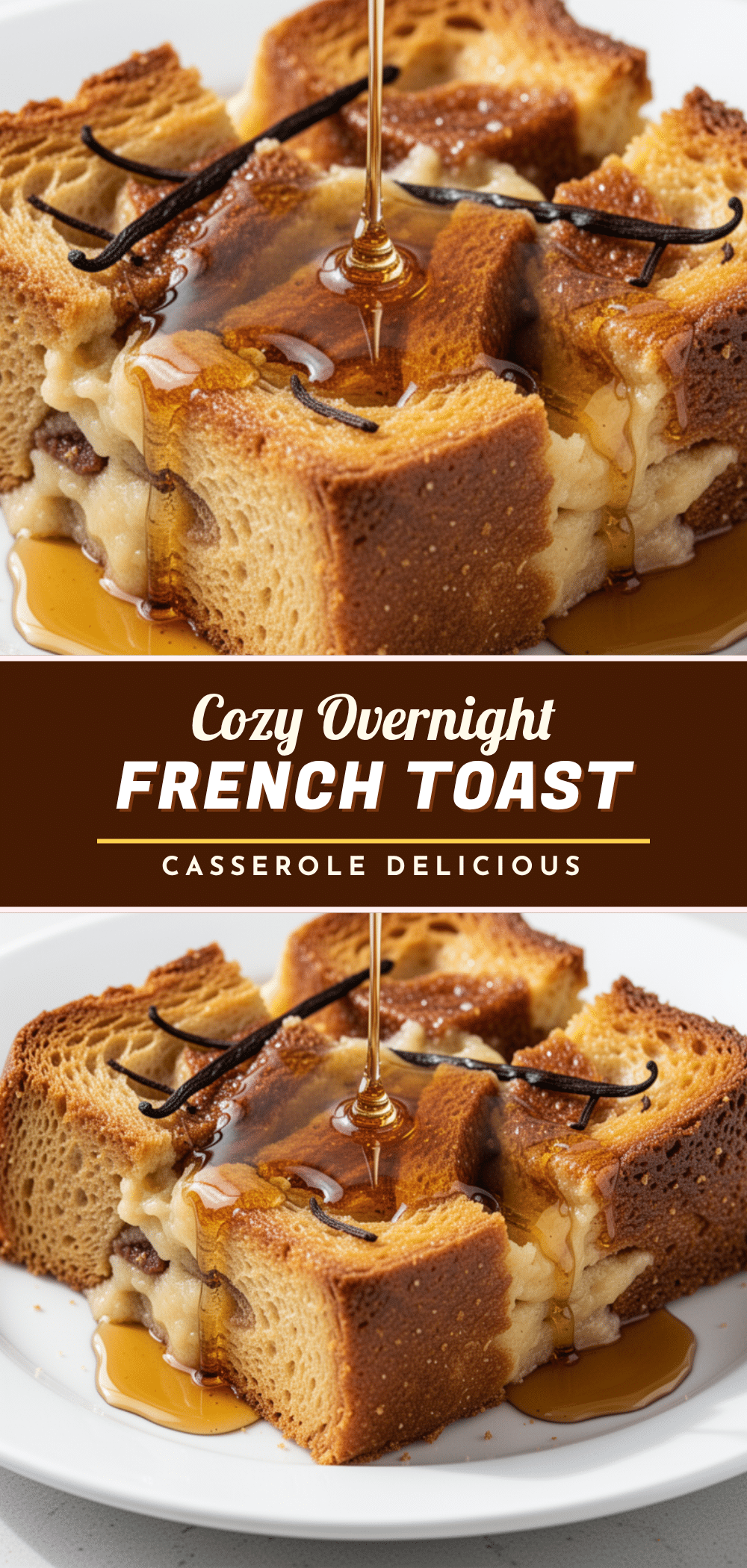
Cozy Overnight French Toast Casserole

A comforting, easy-to-make breakfast casserole featuring stale bread soaked in a rich custard of eggs, milk, and cream, baked until golden and crispy on top with a soft, custardy center.
- Prep Time: 10 minutes
- Cook Time: 45-55 minutes
- Total Time: 55-65 minutes (plus overnight soaking)
- Yield: 8 servings 1x
- Category: Breakfast
- Cuisine: American
Ingredients
- 10–12 cups cubed stale bread (sourdough or brioche recommended)
- 6 large eggs
- 1/2 cup heavy cream
- 1 cup whole milk
- 1/2 cup granulated white sugar
- 2 teaspoons pure vanilla extract
- 1 teaspoon ground cinnamon
- 4 tablespoons unsalted butter, melted
Instructions
- Cube the bread into one-inch pieces. If fresh, air dry for 1-2 hours or toast at 300°F for 10 minutes to remove moisture.
- Place bread cubes into a 9×13 inch baking dish in a single layer or slightly overlapping.
- In a large bowl, whisk together eggs, heavy cream, milk, sugar, vanilla extract, and cinnamon until sugar is dissolved.
- Pour custard mixture over the bread, gently pressing down to ensure all pieces are submerged.
- Cover tightly with plastic wrap and refrigerate overnight or for at least 4 hours.
- Preheat oven to 350°F (175°C). Remove dish from fridge and let sit at room temperature for 20 minutes.
- Drizzle melted butter evenly over the top of the soaked bread.
- Bake for 45-55 minutes until top is golden brown and puffed, and a knife inserted in the center comes out clean.
- Let rest for 10 minutes before slicing and serving.
Notes
Stale bread is crucial for absorbing the custard without becoming mushy. Ensure the bread is fully submerged during soaking. If the top browns too quickly, cover loosely with foil for the last 10 minutes. Let the casserole rest for 10 minutes after baking to allow the custard to set.
Nutrition
- Serving Size: 1/8 of the dish
- Calories: 350
- Sugar: 22
- Sodium: 250
- Fat: 18
- Saturated Fat: 9
- Carbohydrates: 35
- Fiber: 2
- Protein: 10
Keywords: french toast casserole, overnight breakfast, easy brunch, comfort food, holiday breakfast, meal prep