It was a quiet resignation, the kind you make when you’ve tried every roasting method in the book and still ended up with bland, watery strands that collapsed on the fork. You know the feeling. You spend an hour cutting the squash, waiting for the oven to do its thing, and then you’re left with a bowl of vegetables that needed a savior. Honestly, it felt like a waste of good produce. I had been looking for a way to make spaghetti squash feel indulgent, creamy, and rich, without the heavy guilt of traditional pasta, but every recipe I tried fell flat. They were either too thin, too cheesy, or just didn’t have that depth of flavor that makes you want seconds.
The turning point wasn’t some grand culinary discovery. It was a Tuesday night, and I was tired. I didn’t want to order takeout, but I also didn’t want to eat another sad side of roasted veggies. I threw together a quick sauce in a pan, using what I had left in the fridge, and tossed the squash strands in. The result was surprising. It wasn’t just good; it was comforting in a way I hadn’t expected. The key wasn’t just the cheese, but the crunch. Adding crispy sage to the mix changed everything. It added a savory, earthy note that tied the creaminess together perfectly.
That night, I realized that the gap wasn’t in the squash itself, but in how we treated it. We were treating it like a vegetable side dish instead of the star of the meal. This creamy spaghetti squash alfredo with crispy sage became my go-to because it respects the ingredient while giving it the attention it deserves. It’s not about forcing the squash to be pasta. It’s about letting it be creamy, warm, and satisfying in its own right. Now, whenever I see a spaghetti squash at the market, I don’t see a chore. I see a chance to make something that feels like a hug in a bowl.
Why You’ll Love This Recipe
This recipe isn’t just another veggie dinner; it’s a lesson in how simple ingredients can create a restaurant-quality meal at home. After testing this version multiple times, I’ve found that the secret lies in the balance between the rich, velvety sauce and the textural contrast of the crispy sage leaves. It’s the kind of dish that feels indulgent but leaves you feeling light and satisfied, rather than weighed down.
- Quick & Easy: This comes together in under 20 minutes once the squash is prepped, making it perfect for busy weeknights or when you’re craving something warm but don’t have hours to spend in the kitchen.
- Simple Ingredients: No fancy grocery trips needed. You likely already have spaghetti squash, heavy cream, parmesan, and sage in your kitchen or can grab them easily from any local store.
- Perfect for Date Night: While it’s healthy, the presentation is elegant enough for a cozy dinner at home. Pair it with a nice glass of white wine for a meal that feels special without the stress.
- Crowd-Pleaser: Even my picky eater friends who usually avoid “veggie noodles” ask for the recipe. The creamy sauce masks the earthiness of the squash, making it approachable for everyone.
- Unbelievably Delicious: The texture and flavor combo is next-level comfort food. The crispiness of the sage against the smooth sauce creates a sensory experience that’s hard to beat.
What makes this different from other spaghetti squash recipes is the technique. Many recipes boil the squash, which can make it mushy. Here, we roast it to concentrate the flavor, then toss it in a sauce that’s emulsified with pasta water (or in this case, a bit of the squash’s own juices) and cheese. It’s not just good—it’s the kind that makes you close your eyes after the first bite. It’s comfort food reimagined, keeping the soul-soothing satisfaction of alfredo but with a lighter, fresher profile.
What Ingredients You Will Need
This recipe uses simple, wholesome ingredients to deliver bold flavor and satisfying texture without the fuss. The beauty of this creamy spaghetti squash alfredo is that it relies on quality basics rather than obscure spices. Most of these items are pantry staples or easy-to-find fresh produce.
- Medium Spaghetti Squash: Choose one that feels heavy for its size with a firm, unblemished skin. This ensures the flesh is sweet and firm, not watery or fibrous.
- Unsalted Butter: I recommend using high-quality European-style butter for the richest flavor. It adds a nutty depth that pairs beautifully with the sage.
- Fresh Sage Leaves: Fresh is non-negotiable here. Dried sage lacks the aromatic oils needed for that crispy, fragrant finish. Look for bright green, undamaged leaves.
- Heavy Cream: Use full-fat heavy cream for the sauce. Low-fat alternatives can break or become grainy when heated, ruining the silky texture we’re aiming for.
- Garlic Cloves: Fresh garlic is essential. Pre-minced jarred garlic often has a metallic taste that clashes with the delicate squash. Peel and mince your own for the best results.
- Parmesan Cheese: Grate your own block of Parmigiano-Reggiano. Pre-grated cheese contains anti-caking agents that prevent it from melting smoothly into the sauce.
- Red Pepper Flakes: A pinch adds a subtle heat that cuts through the richness of the cream and cheese, balancing the overall flavor profile.
- Salt and Black Pepper: Season generously. The squash needs enough salt to bring out its natural sweetness.
- Extra Virgin Olive Oil: Used for sautéing the sage and adding a final drizzle for brightness.
If you need to substitute, you can use nutritional yeast for a vegan option, though the texture will be different. For the cream, coconut cream works in a pinch, but it will change the flavor significantly. Stick to these core ingredients for the best authentic taste.
Equipment Needed
You don’t need a lot of fancy gadgets for this recipe, but having the right tools makes the process smoother. A large rimmed baking sheet is essential for roasting the squash evenly. I prefer a sheet with a lip to catch any juices, making cleanup easier. A sharp chef’s knife is also important; cutting a raw spaghetti squash can be tricky, so ensure your knife is sharp to avoid slipping.
For the sauce, a large skillet or sauté pan is best. I use a stainless steel pan because it heats evenly and allows me to deglaze easily if any bits stick. If you don’t have one, a non-stick pan works fine, just be gentle with your utensils to preserve the coating. A vegetable peeler or a fork is useful for scraping the strands, though a fork gives you better control over the texture. Lastly, a pair of tongs helps in tossing the squash with the sauce without breaking the strands apart too much.
Preparation Method
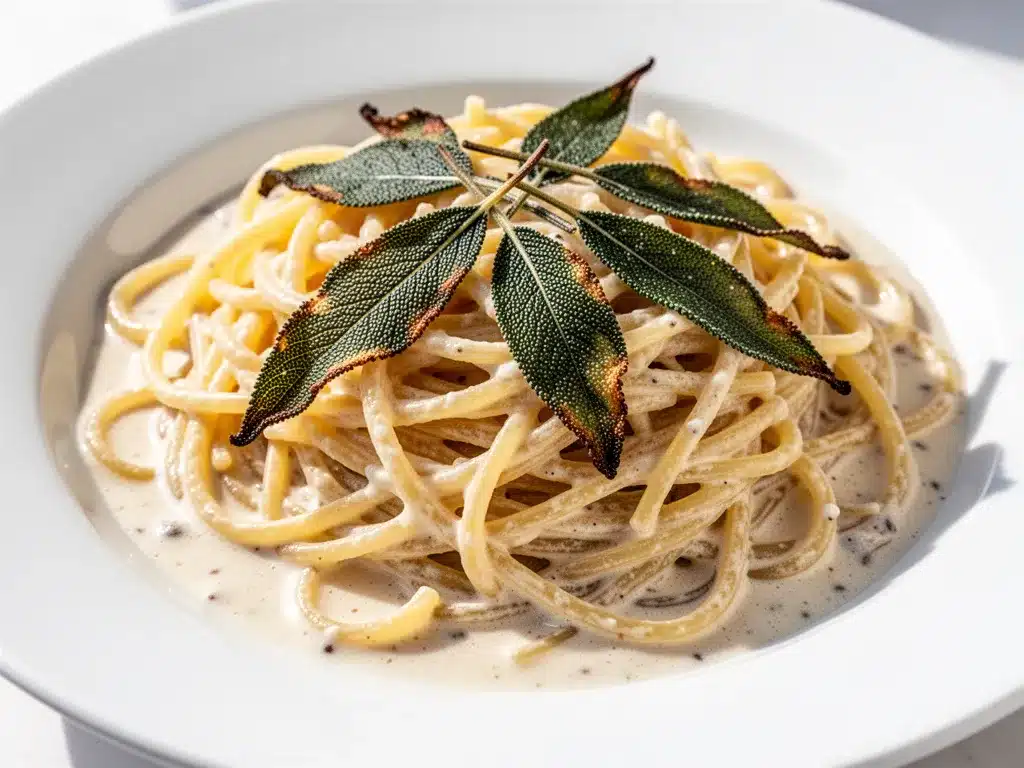
Start by preheating your oven to 400°F (200°C). Line a large baking sheet with parchment paper for easy cleanup. Carefully wash the spaghetti squash and pat it dry. Using a sharp chef’s knife, trim off both ends of the squash. Then, cut the squash in half lengthwise. Scoop out the seeds and stringy pulp with a spoon. This step is crucial for even cooking, so make sure to remove as much as possible.
Brush the cut sides of the squash with a little olive oil and season generously with salt and pepper. Place them cut-side down on the prepared baking sheet. Roast for 35-45 minutes, or until the flesh is tender when pierced with a fork. The skin should feel slightly soft, but not mushy. While the squash roasts, you can start preparing the sauce. This multitasking saves time.
In a large skillet over medium heat, melt the butter. Add the fresh sage leaves and cook for 1-2 minutes until they are crispy and fragrant. Use a slotted spoon to remove the sage leaves and set them aside on a paper towel to drain excess butter. Leave the infused butter in the pan. Add the minced garlic to the pan and sauté for 30 seconds until fragrant. Be careful not to burn the garlic, as it will turn bitter.
Pour in the heavy cream and bring it to a gentle simmer. Let it cook for 2-3 minutes to thicken slightly. Reduce the heat to low and gradually whisk in the grated Parmesan cheese. Continue whisking until the cheese is melted and the sauce is smooth. Season with a pinch of red pepper flakes, salt, and black pepper. If the sauce is too thick, add a splash of water or reserved squash cooking liquid.
Once the squash is done roasting, let it cool for 5 minutes. Then, use a fork to scrape the flesh into long, spaghetti-like strands. Transfer the strands directly into the skillet with the alfredo sauce. Toss gently to coat every strand evenly. The residual heat from the squash will warm it through without overcooking it. Serve immediately, topped with the crispy sage leaves and an extra sprinkle of Parmesan.
Cooking Tips & Techniques
One common mistake is overcooking the squash. If you roast it for too long, the strands can become mushy and lose their structure. Keep an eye on it around the 35-minute mark. Another tip is to not skip the crispy sage. It provides a crucial textural contrast that makes the dish feel complete. If you burn the sage, start over; burnt sage tastes bitter and ruins the sauce.
When making the sauce, keep the heat low after adding the cheese. High heat can cause the cheese to clump or the cream to separate. If the sauce breaks, don’t panic. You can rescue it by whisking in a tablespoon of cold water or ice, which helps re-emulsify the fats. Also, taste the sauce before adding salt. Parmesan is already salty, so you may need less than you think.
For efficiency, you can roast multiple squash halves at once if you have a large oven. Just ensure they aren’t overcrowded on the baking sheet, as this can lead to steaming instead of roasting. Let the squash rest for a few minutes after roasting. This allows the strands to firm up slightly, making them easier to scrape and less likely to turn into a soup when tossed with the sauce.
Variations & Adaptations
This recipe is quite versatile. For a lighter version, you can substitute half of the heavy cream with chicken or vegetable broth. The sauce will be thinner, so you may need to simmer it a bit longer to reduce. For a vegan adaptation, use vegan butter and a plant-based heavy cream alternative. Nutritional yeast can replace the Parmesan for a cheesy flavor, though it won’t melt the same way.
If you want to add more protein, toss in some grilled chicken breast or sautéed shrimp. These pair beautifully with the sage and cream. For a gluten-free option, this recipe is naturally gluten-free, so no changes are needed. You can also add other vegetables like spinach or broccoli florets to the sauce for extra nutrients. Just wilt the greens in the sauce at the end before adding the squash.
Another variation is to add sun-dried tomatoes. Their tangy sweetness complements the earthy sage perfectly. Chop them finely and stir them into the sauce after the cheese has melted. This adds a burst of color and flavor that makes the dish feel more Mediterranean. Feel free to experiment with different herbs if sage isn’t your preference, though it is the traditional pairing for alfredo-style sauces.
Serving & Storage Suggestions
Serve this creamy spaghetti squash alfredo warm, garnished with extra crispy sage and a drizzle of olive oil. It pairs well with a simple green salad or crusty bread to soak up the extra sauce. For storage, let any leftovers cool completely before transferring them to an airtight container. They can be kept in the refrigerator for up to 3 days.
To reheat, gently warm the squash in a skillet over low heat with a splash of water or cream. Microwaving can make the squash watery, so stovetop reheating is preferred. The flavors tend to meld together nicely over time, making leftovers taste even better the next day. Just note that the sage may lose its crispiness upon storage, so it’s best to fry fresh sage leaves when reheating.
Nutritional Information & Benefits
This dish is a great source of vitamins A and C from the squash, along with calcium and protein from the Parmesan cheese. It’s lower in carbohydrates than traditional pasta dishes, making it a suitable option for low-carb or keto diets. However, due to the cream and cheese, it is higher in fat and calories, so enjoy in moderation. For those with dairy sensitivities, the vegan adaptations mentioned earlier offer a delicious alternative.
Conclusion
This creamy spaghetti squash alfredo with crispy sage is a testament to the idea that healthy eating doesn’t have to be boring. It’s rich, satisfying, and quick to make, fitting perfectly into any weeknight routine. I hope you try it and find your own version of comfort in a bowl. Feel free to adjust the spices or add your favorite mix-ins to make it your own. I’d love to hear how it turns out for you, so please leave a comment below with your thoughts or any variations you tried. Happy cooking!
Frequently Asked Questions
Can I use frozen spaghetti squash?
Yes, you can, but fresh is preferred for better texture. If using frozen, thaw it completely and pat it dry to remove excess moisture before adding it to the sauce. Frozen squash can be softer, so handle it gently.
What kind of cheese is best for alfredo sauce?
Parmigiano-Reggiano is the traditional choice for its sharp, salty flavor. You can also use a mix of Parmesan and Pecorino Romano for a stronger taste. Avoid pre-grated cheese for the best melting results.
How do I keep the sage crispy?
Fry the sage leaves in butter until they are just crisp, then remove them immediately and place them on a paper towel to drain. Do not leave them in the hot sauce, as they will absorb moisture and become soggy.
Can I make this recipe ahead of time?
It’s best made fresh for the best texture. If you must prepare ahead, roast the squash and make the sauce separately. Combine them just before serving to prevent the squash from becoming mushy.
Is this recipe gluten-free?
Yes, spaghetti squash is naturally gluten-free. Just ensure that your Parmesan cheese and other ingredients are certified gluten-free if you have celiac disease or a severe sensitivity.
Pin This Recipe!
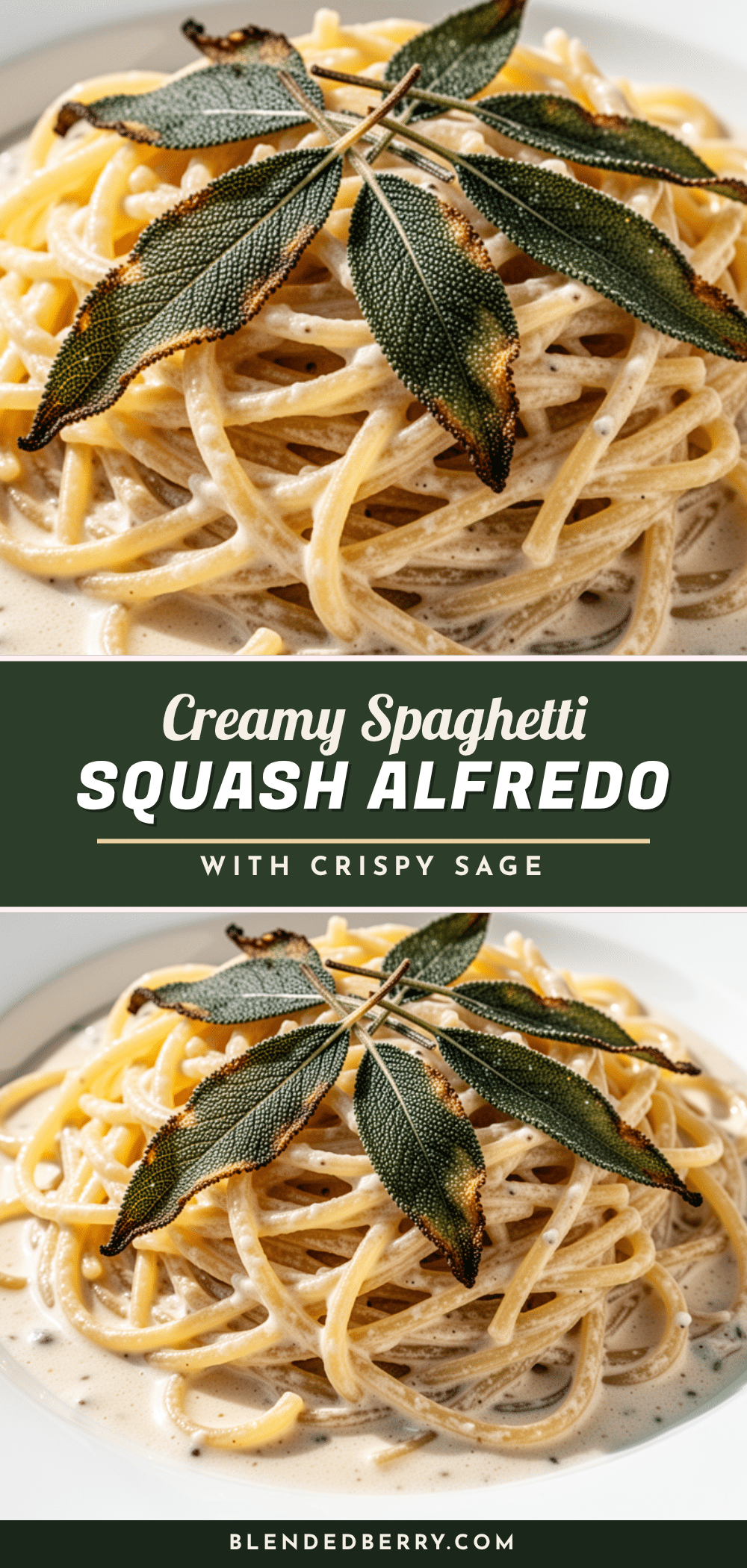
Creamy Spaghetti Squash Alfredo with Crispy Sage
A quick and indulgent weeknight dinner featuring roasted spaghetti squash tossed in a velvety parmesan cream sauce and topped with crispy sage leaves for a perfect textural contrast.
- Prep Time: 15 minutes
- Cook Time: 45 minutes
- Total Time: 60 minutes
- Yield: 4 servings 1x
- Category: Main Course
- Cuisine: Italian
Ingredients
- 1 medium spaghetti squash
- 2 tablespoons unsalted butter
- 10–12 fresh sage leaves
- 3–4 garlic cloves, minced
- 1 cup heavy cream
- 1/2 cup freshly grated Parmigiano-Reggiano cheese
- 1/4 teaspoon red pepper flakes
- Salt and black pepper to taste
- Extra virgin olive oil for brushing and drizzling
Instructions
- Preheat oven to 400°F (200°C). Line a large rimmed baking sheet with parchment paper.
- Wash and dry the spaghetti squash. Trim off both ends and cut in half lengthwise. Scoop out seeds and pulp.
- Brush cut sides with olive oil and season generously with salt and pepper. Place cut-side down on the baking sheet.
- Roast for 35-45 minutes until flesh is tender when pierced with a fork. Let cool for 5 minutes.
- While squash roasts, melt butter in a large skillet over medium heat. Add sage leaves and cook for 1-2 minutes until crispy. Remove sage with a slotted spoon and set aside on a paper towel.
- Add minced garlic to the infused butter in the skillet and sauté for 30 seconds until fragrant.
- Pour in heavy cream and bring to a gentle simmer. Cook for 2-3 minutes to thicken slightly.
- Reduce heat to low and whisk in Parmesan cheese until melted and smooth. Season with red pepper flakes, salt, and pepper.
- Use a fork to scrape the roasted squash flesh into strands. Transfer strands directly into the skillet with the sauce.
- Toss gently to coat evenly. Serve immediately topped with crispy sage leaves and extra Parmesan.
Notes
Do not overcook the squash to avoid mushiness. Keep heat low when adding cheese to prevent separation. If the sauce breaks, whisk in a tablespoon of cold water to re-emulsify. For a lighter version, substitute half the cream with broth.
Nutrition
- Serving Size: 1/4 of the recipe
- Calories: 450
- Sugar: 5
- Sodium: 600
- Fat: 35
- Saturated Fat: 20
- Carbohydrates: 12
- Fiber: 3
- Protein: 15
Keywords: spaghetti squash, alfredo sauce, creamy pasta alternative, crispy sage, vegetarian dinner, keto friendly, low carb, weeknight dinner, easy recipe