The power flickered out at 6:15 PM on a Tuesday. One minute I was chopping onions for a risotto that required constant stirring, and the next, the kitchen was plunged into a thick, humid darkness. I stood there for a second, holding a half-chopped yellow onion, listening to the hum of the refrigerator die. It was one of those evenings where you just want to order pizza, but the fridge was stocked with winter produce I was determined to use up.
I fumbled for a candle, the flame casting long, dancing shadows against the cabinets. The gas stove still worked, thank goodness, but the oven was dead. I had a large, hard butternut squash sitting on the counter, looking like a heavy, orange bowling ball. It was the only thing that felt substantial enough to handle. I grabbed my cast-iron skillet and a bottle of maple syrup that had been sitting in the back of the pantry since Christmas.
Honestly, I wasn’t planning on cooking anything complicated. I just needed warmth. I sliced the squash into rough chunks, tossed them in olive oil, sea salt, and a generous drizzle of that sticky maple syrup. The smell hit me immediately—sweet, earthy, and comforting. I roasted them directly in the skillet over medium-high heat, flipping them until they got those deep, caramelized edges.
When they came out, crispy on the outside and soft in the middle, I crumbled feta cheese over the top while they were still hot. The saltiness of the cheese cut through the sweetness of the maple perfectly. It wasn’t the elegant dinner I had planned, but it was better. It was real. It was the kind of meal that feels like a hug when you’re tired and the world feels a bit too loud.
That night, I realized that sometimes the best recipes aren’t planned. They are just things you throw together with what you have. This crispy maple roasted butternut squash with feta is exactly that. It’s messy, it’s sweet, it’s savory, and it requires very little effort once you get the pan hot. It stuck with me because it proved that you don’t need perfect conditions to make something delicious. You just need a little bit of maple syrup and some good cheese.
Why You’ll Love This Recipe
There are a thousand ways to cook butternut squash, but let’s face it, most of them end up soggy or bland. This version is different because it prioritizes texture. The goal here is that deep, almost burnt caramelization on the edges, contrasted with the cool, creamy tang of feta. It’s a balance of sweet and salty that hits every part of your palate.
Here is why this dish has earned a permanent spot in my weekly rotation:
- Quick & Easy: You don’t need to roast a whole squash for hours. By cutting it into uniform chunks and using high heat, you get those crispy edges in about 30 minutes. It is perfect for busy weeknights when you want something warm but don’t have all day.
- Simple Ingredients: No fancy grocery trips needed. You likely already have butternut squash, maple syrup, olive oil, and feta in your kitchen or local store. It relies on pantry staples to create a gourmet feel.
- Perfect for Fall Entertaining: This is the ultimate side dish for autumn gatherings. It looks beautiful on the plate and pairs wonderfully with roasted meats or hearty salads. It’s great for potlucks because it travels well and tastes even better the next day.
- Crowd-Pleaser: Even people who claim they “don’t like squash” usually love this. The maple syrup masks any earthy bitterness, and the feta adds a savory punch that kids and adults alike can’t resist.
- Unbelievably Delicious: The texture combo is next-level comfort food. You get the crunch of the caramelized edges, the soft interior, and the crumbly cheese all in one bite. It’s soul-soothing in a way that feels like a reward.
What makes this recipe stand out from the rest is the technique. Most people roast squash at a low temperature, which steams it in its own juices. I use a higher heat and give the squash space on the pan so the moisture evaporates quickly. This creates that desirable crispiness. Plus, adding the feta at the very end allows it to stay distinct rather than melting into a gooey mess. It’s not just another side dish; it’s your best version of roasted vegetables.
What Ingredients You Will Need
This recipe uses simple, wholesome ingredients to deliver bold flavor and satisfying texture without the fuss. The magic happens in the balance between the natural sweetness of the squash and the sharp saltiness of the cheese. You don’t need exotic spices or hard-to-find items. Here is what you need to pull it off.
For the Squash
- Butternut Squash: About 2 to 3 pounds. Look for a squash that feels heavy for its size with a matte, tan skin. Avoid ones with soft spots or cracks. I prefer buying the whole squash and peeling it myself because pre-cut cubes often come from older, drier squash.
- High-Quality Olive Oil: About 3 tablespoons. I recommend using a robust extra virgin olive oil. It adds a fruity note that complements the nuttiness of the squash. If you are watching calories, you can reduce this to 2 tablespoons, but don’t go lower or the squash will stick.
- Pure Maple Syrup: 2 tablespoons. Do not use pancake syrup. It must be 100% pure maple syrup. The darker the grade (like Grade A Dark or Grade B), the more robust the flavor. This is the key to that caramelized crust.
- Sea Salt: 1 teaspoon, plus more for finishing. Kosher salt is best for seasoning during cooking because it distributes evenly. Flaky sea salt is perfect for sprinkling on top at the end.
- Black Pepper: ½ teaspoon, freshly cracked. Freshly cracked pepper adds a sharp bite that balances the sweet syrup.
- Garlic Powder: ½ teaspoon. This adds a savory depth without the risk of burning fresh garlic bits in the hot pan.
For the Topping
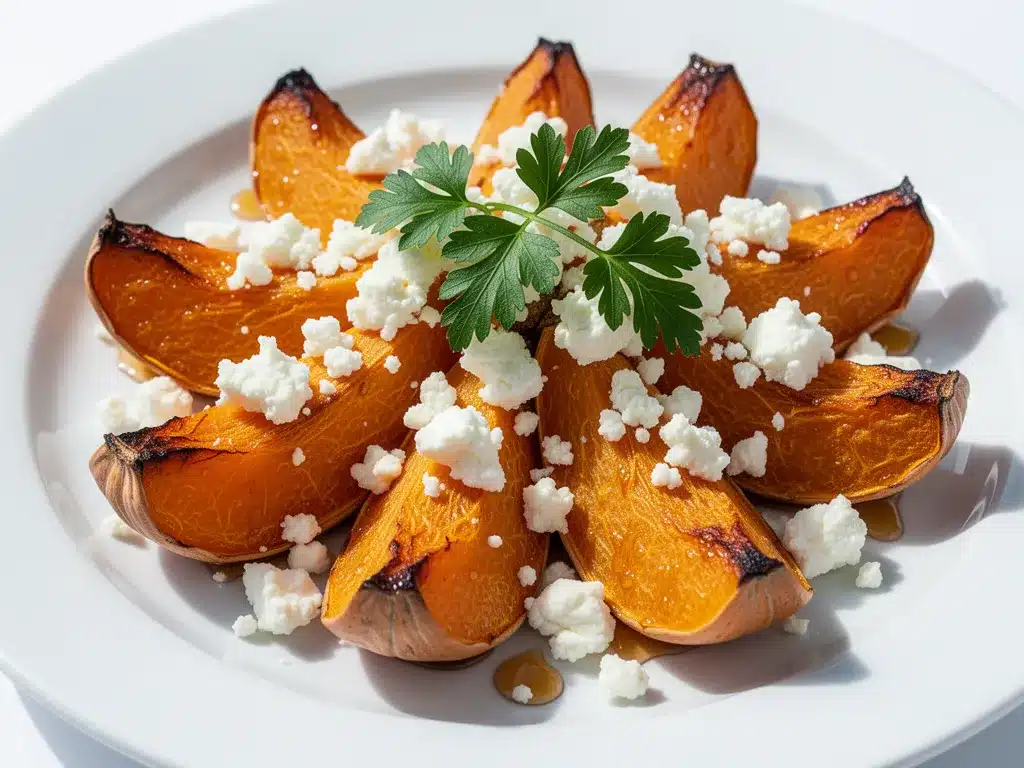
- Feta Cheese: ½ cup, crumbled. I prefer sheep’s milk feta for its creamier texture and tangier flavor. Cow’s milk feta works too, but it can be a bit sharper. If you are dairy-free, a strong vegan feta or toasted walnuts work well as a substitute.
- Fresh Parsley or Sage: 2 tablespoons, chopped. Fresh herbs add brightness. Sage is classic with squash, but parsley gives it a fresher, lighter profile. I usually keep it simple with parsley.
If you can’t find butternut squash, sweet potatoes are a great seasonal swap. They have a similar sugar content and will caramelize beautifully with the maple syrup. Just keep in mind they may cook slightly faster, so check them a few minutes early.
Equipment Needed
You don’t need a fancy kitchen to make this work. The right tools just make the process smoother and the results more consistent.
- Large Cast-Iron Skillet or Roasting Pan: This is the most important tool. Cast iron holds heat incredibly well, which is essential for getting those crispy edges. A large baking sheet works too, but make sure it’s not overcrowded. If the squash pieces are touching, they will steam instead of roast.
- Sharp Chef’s Knife: Cutting a whole butternut squash can be tricky. A sharp, heavy-duty knife is safer and easier to use. If yours is dull, you risk slipping. Take your time.
- Peeler or Knife: You need to remove the tough skin. A sturdy vegetable peeler works for smaller squash, but a knife is better for larger, harder varieties.
- Measuring Spoons: For the maple syrup and spices. Accuracy helps, but a little flexibility is okay here.
- Wooden Spoon or Spatula: For tossing the squash in the oil and syrup. A silicone spatula is good for scraping up any caramelized bits from the bottom of the pan.
If you don’t have cast iron, a heavy-bottomed stainless steel skillet is a good alternative. Avoid non-stick pans if you want maximum crispiness, as they often don’t get hot enough to caramelize the sugar in the syrup effectively. Also, keep your knives sharp. It’s a small thing, but it makes prep time much less frustrating.
Preparation Method
Getting this dish right is all about how you prepare the squash and manage the heat. Follow these steps carefully for the best results.
Step 1: Prep the Squash (10 Minutes)
Start by washing the butternut squash. Cut off the top and bottom so it sits flat. Slice the neck off first, then tackle the bulbous bottom. It’s easier to cut the bulb in half first, then peel the skin off each half. Cut the flesh into 1-inch cubes. Try to keep them uniform so they cook evenly. If some pieces are huge and others are tiny, the small ones will burn before the big ones are tender.
Step 2: Season and Coat (5 Minutes)
Place the squash cubes in a large bowl. Drizzle with the olive oil and maple syrup. Sprinkle with sea salt, black pepper, and garlic powder. Toss everything together with your hands or a spoon until every piece is evenly coated. You want a glossy sheen on the squash, not pools of oil.
Step 3: The Sear (20-25 Minutes)
Heat your cast-iron skillet over medium-high heat. Let it get good and hot before adding the squash. This is crucial. If the pan isn’t hot, the squash will just sit there and sweat. Add the squash in a single layer. Do not crowd the pan! If you have too much squash, do it in two batches. Crowding is the enemy of crispiness.
Let the squash cook undisturbed for about 5 minutes. You want it to develop a deep golden-brown crust on the bottom. Resist the urge to stir it too early. After 5 minutes, flip the pieces over. They should release easily from the pan if they are ready. Cook for another 10-15 minutes, stirring occasionally, until the squash is tender when pierced with a fork and has crispy, caramelized edges.
Step 4: Finish and Serve (2 Minutes)
Remove the skillet from the heat. Immediately crumble the feta cheese over the hot squash. The residual heat will soften the cheese slightly without making it a liquid. Sprinkle with fresh chopped parsley or sage. Serve immediately while the squash is still warm and the cheese is soft.
Troubleshooting tip: If the squash isn’t browning enough, increase the heat slightly. If it’s burning too fast, lower the heat and cover the pan for a few minutes to steam the inside, then uncover to crisp up again.
Cooking Tips & Techniques
I’ve made this recipe enough times to learn a few hard lessons. The biggest mistake people make is rushing the sear. You need patience. Let the squash sit in the hot pan. If you stir it every minute, you’ll never get that Maillard reaction that creates flavor.
Another tip is about the maple syrup. It burns easily. If you are using a very dark, robust maple syrup, keep an eye on the pan. You can also add the syrup halfway through cooking if you are worried about burning, but adding it at the start helps it glaze the squash more evenly.
Multitasking is key here. While the squash is cooking, you can prepare your protein or salad. This dish comes together fast, so have everything else ready to go.
Consistency comes from cutting the squash uniformly. I know it’s tedious, but it saves you from having raw centers and burnt edges. If you are short on time, you can buy pre-cut squash, but check the quality. Sometimes pre-cut pieces are already dried out. If you buy them, pat them dry with a paper towel before seasoning to remove excess moisture.
Variations & Adaptations
This recipe is a canvas, not a rigid rulebook. Here are some ways to tweak it to suit your taste or dietary needs.
- Spicy Kick: Add a pinch of cayenne pepper or red pepper flakes to the seasoning mix. The heat pairs surprisingly well with the sweet maple and salty feta. It adds a nice complexity that wakes up the palate.
- Gluten-Free & Dairy-Free: This recipe is naturally gluten-free. To make it dairy-free, omit the feta and sprinkle with toasted pecans or walnuts for crunch. You can also use a dairy-free feta alternative if you want that tangy flavor.
- Herb Swap: While parsley is great, fresh sage is a traditional pairing with squash. If you have a sage plant, use it. It has a piney, earthy flavor that complements the sweetness perfectly. Rosemary also works, but use it sparingly as it is strong.
- Add Protein: For a main course, toss in some chickpeas or white beans during the last 5 minutes of cooking. They will absorb the maple flavor and add fiber and protein, making this a complete meal.
I once tried adding thyme to this, and it was a bit too woody for my liking. Stick to parsley or sage for the freshest flavor. You can also swap feta for goat cheese if you prefer a milder, creamier tang. Both work beautifully.
Serving & Storage Suggestions
This dish is best served warm, straight from the pan. It looks beautiful on a platter, especially if you scatter the fresh herbs on top for a pop of green against the orange squash. It pairs wonderfully with roast chicken, grilled salmon, or a simple arugula salad with lemon vinaigrette. For a vegetarian meal, serve it over quinoa or wild rice.
If you have leftovers (unlikely, but possible), store them in an airtight container in the refrigerator for up to 3 days. The squash will soften slightly as it cools, which is normal.
To reheat, avoid the microwave if you want to preserve some texture. Reheat in a skillet over medium heat for a few minutes, or in the oven at 350°F for 10 minutes. The feta will harden in the fridge, so let it come to room temperature before eating, or warm it gently to soften it again.
The flavors actually meld nicely overnight. The maple syrup penetrates the squash deeper, making it sweeter. If you are meal prepping, this dish holds up well for lunches. Just add fresh herbs and cheese right before serving to keep the textures distinct.
Nutritional Information & Benefits
Butternut squash is a nutritional powerhouse. It is rich in vitamin A, which is great for eye health and immune function. It also provides a good amount of vitamin C, fiber, and potassium. The fiber content helps with digestion and keeps you feeling full longer.
The maple syrup adds natural sweetness, but it is still sugar, so use it in moderation. The olive oil provides healthy monounsaturated fats, which are good for heart health. Feta cheese adds calcium and protein, but it is also high in sodium, so be mindful of the portion size if you are watching your salt intake.
This dish is naturally gluten-free and can be made dairy-free. It is a wholesome, nutrient-dense side dish that supports overall wellness without feeling heavy. It’s a great way to incorporate more vegetables into your diet, especially if you aren’t a fan of plain steamed veggies. The flavors make it enjoyable rather than a chore.
Conclusion
This crispy maple roasted butternut squash with feta is more than just a side dish. It’s a reminder that simple ingredients, when treated with care, can create something truly special. I love this recipe because it is forgiving and flexible. You can’t mess it up too badly, and it always turns out delicious.
I encourage you to try it your way. Add spices, swap cheeses, or serve it with different proteins. Make it your own. I’ve made this dozens of times, and it never gets old. There is something satisfying about hearing that sizzle in the pan and smelling the caramelizing maple.
Please try this recipe and let me know how it turns out for you. Leave a comment below with your favorite variation or a photo if you post it online. I love seeing how you adapt these recipes to your kitchen. Happy cooking!
Frequently Asked Questions
Can I use pre-cut butternut squash?
Yes, you can use pre-cut cubes to save time. However, check that they are fresh and not dried out. Pat them dry with a paper towel before seasoning to ensure they roast rather than steam.
What kind of maple syrup should I use?
Use 100% pure maple syrup. Avoid pancake syrup, which is mostly corn syrup and artificial flavor. Darker grade maple syrup will give a more robust flavor, but any grade works well.
Can I make this in the oven instead of a skillet?
Absolutely. Roast at 400°F (200°C) for 25-30 minutes, tossing halfway through. Make sure to use a large baking sheet so the pieces aren’t crowded. The skillet method just gives better browning.
How do I store leftovers?
Store in an airtight container in the fridge for up to 3 days. Reheat in a skillet or oven to restore some crispiness. The microwave will make the squash soft.
Is this recipe gluten-free?
Yes, this recipe is naturally gluten-free as long as you use pure maple syrup and don’t add any wheat-based thickeners or sauces. Always check labels if you have severe allergies.
Pin This Recipe!
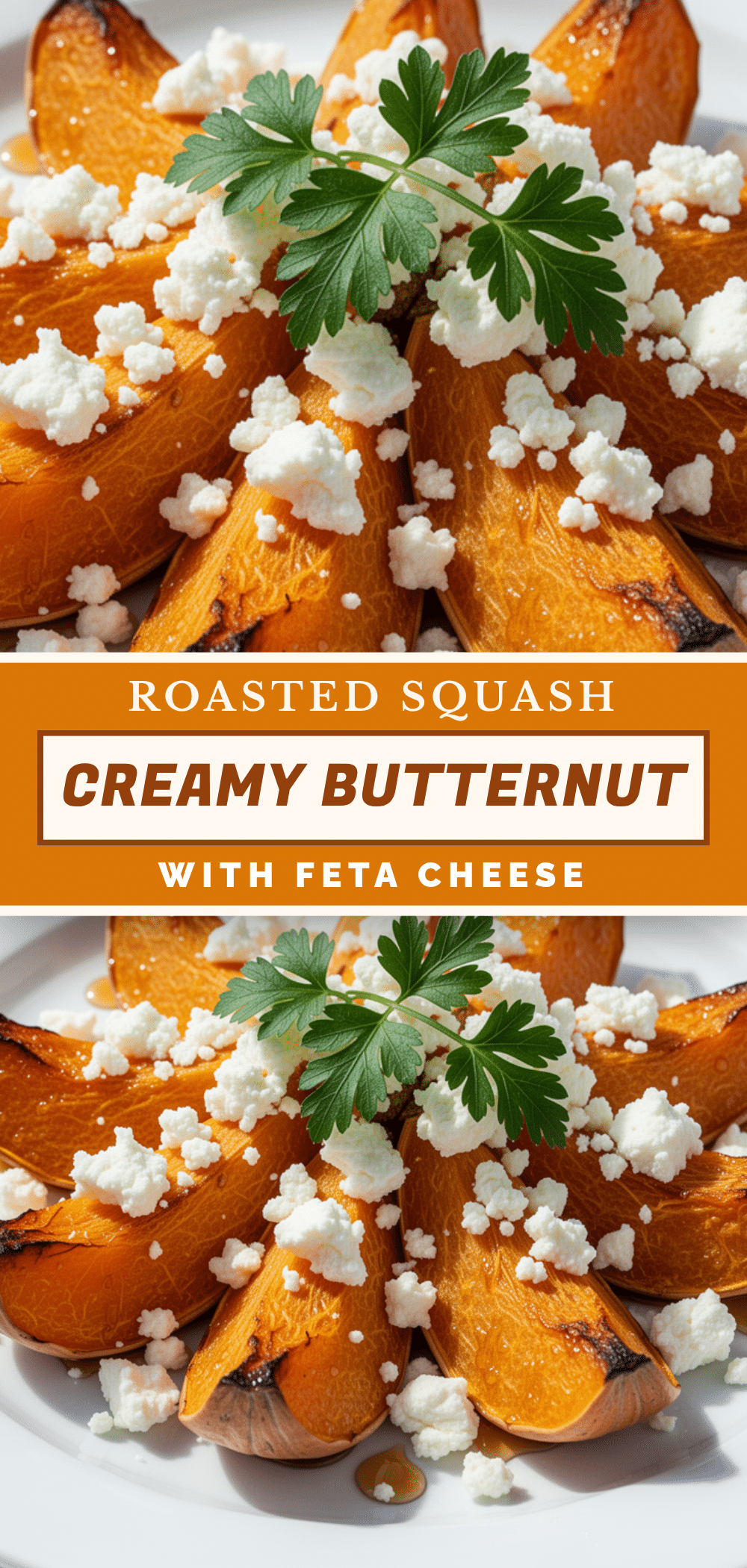
Crispy Maple Roasted Butternut Squash with Feta
A quick and easy side dish featuring butternut squash seared in a cast-iron skillet with maple syrup for a caramelized crust, topped with salty feta cheese and fresh herbs.
- Prep Time: 15 minutes
- Cook Time: 25 minutes
- Total Time: 40 minutes
- Yield: 4 servings 1x
- Category: Side Dish
- Cuisine: American
Ingredients
- 2 to 3 pounds butternut squash, peeled and cut into 1-inch cubes
- 3 tablespoons extra virgin olive oil
- 2 tablespoons pure maple syrup
- 1 teaspoon sea salt, plus more for finishing
- 1/2 teaspoon freshly cracked black pepper
- 1/2 teaspoon garlic powder
- 1/2 cup crumbled feta cheese
- 2 tablespoons fresh parsley or sage, chopped
Instructions
- Wash the butternut squash, cut off the top and bottom, slice off the neck, and cut the bulbous bottom in half. Peel the skin and cut the flesh into uniform 1-inch cubes.
- Place the squash cubes in a large bowl. Drizzle with olive oil and maple syrup. Sprinkle with sea salt, black pepper, and garlic powder. Toss until every piece is evenly coated with a glossy sheen.
- Heat a large cast-iron skillet over medium-high heat until very hot. Add the squash in a single layer, ensuring not to crowd the pan (cook in batches if necessary).
- Let the squash cook undisturbed for about 5 minutes to develop a deep golden-brown crust. Flip the pieces and cook for another 10-15 minutes, stirring occasionally, until tender and crispy with caramelized edges.
- Remove the skillet from the heat. Immediately crumble the feta cheese over the hot squash and sprinkle with fresh chopped parsley or sage. Serve immediately.
Notes
Ensure the squash pieces are uniform in size for even cooking. Do not crowd the pan, as this will cause the squash to steam rather than roast. If using dark maple syrup, watch closely to prevent burning. For a dairy-free version, omit feta and use toasted walnuts or pecans. Leftovers can be stored in an airtight container in the refrigerator for up to 3 days and reheated in a skillet or oven.
Nutrition
- Serving Size: 1 cup squash with to
- Calories: 280
- Sugar: 16
- Sodium: 450
- Fat: 18
- Saturated Fat: 6
- Carbohydrates: 28
- Fiber: 6
- Protein: 6
Keywords: butternut squash, maple syrup, feta cheese, roasted vegetables, fall recipes, vegetarian side dish, cast iron skillet, healthy side dish, gluten-free